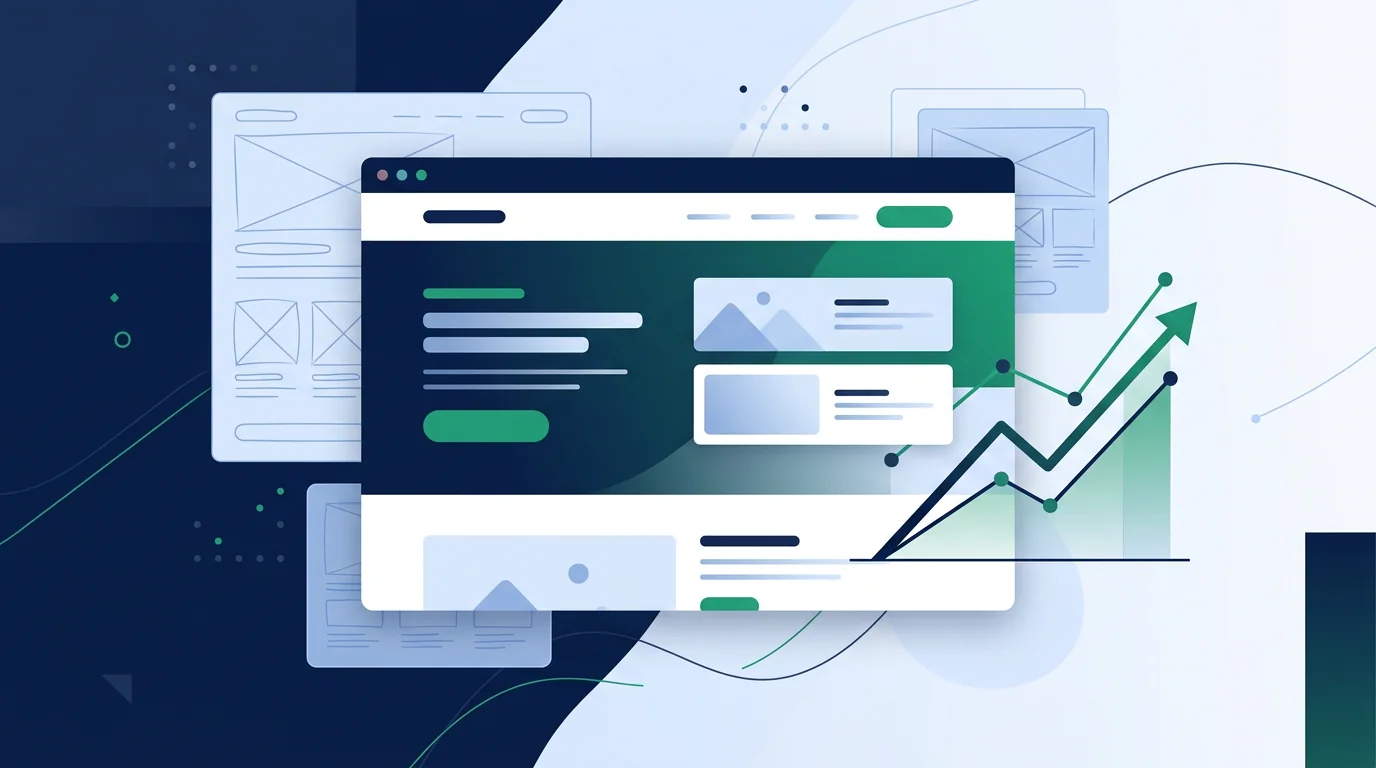
A landing page works best when it has one clear job. Whether you want visitors to join a list, request a demo or explore a product, every section should help them understand the offer and decide what to do next.
Define one audience and one action
Start by describing the visitor you want to reach. What are they trying to accomplish, and what might prevent them from taking the next step? Choose a primary action that fits that stage of their journey. Keep the main call to action consistent instead of asking for several competing decisions.
Make the first screen useful
Use a headline that explains the benefit in plain language. Add a short supporting sentence, a relevant visual and a button with a specific label such as “Explore the product” or “Request a demo.” Avoid relying on a decorative image to communicate information that should also be available as text.
Answer questions before they become objections
Show how the offer works, what is included and who it is for. Add evidence you can substantiate, such as genuine testimonials or a real demonstration. Do not invent customer numbers, reviews or guarantees. If pricing, eligibility or requirements matter, make them easy to find before the visitor commits.
Design for phones and accessibility
Test the page at narrow widths, use readable text and maintain enough contrast. Buttons should be easy to tap, images should have appropriate alternative text and the page should work with a keyboard. Compress images and remove unnecessary scripts so the experience remains responsive on slower connections.
Measure and improve
Before launch, test every link and form, and confirm that the destination works. After launch, use privacy-respecting analytics and feedback to identify where visitors hesitate. Change one meaningful element at a time, then evaluate the result over an appropriate period rather than treating a small fluctuation as proof.